What type of manager are you?
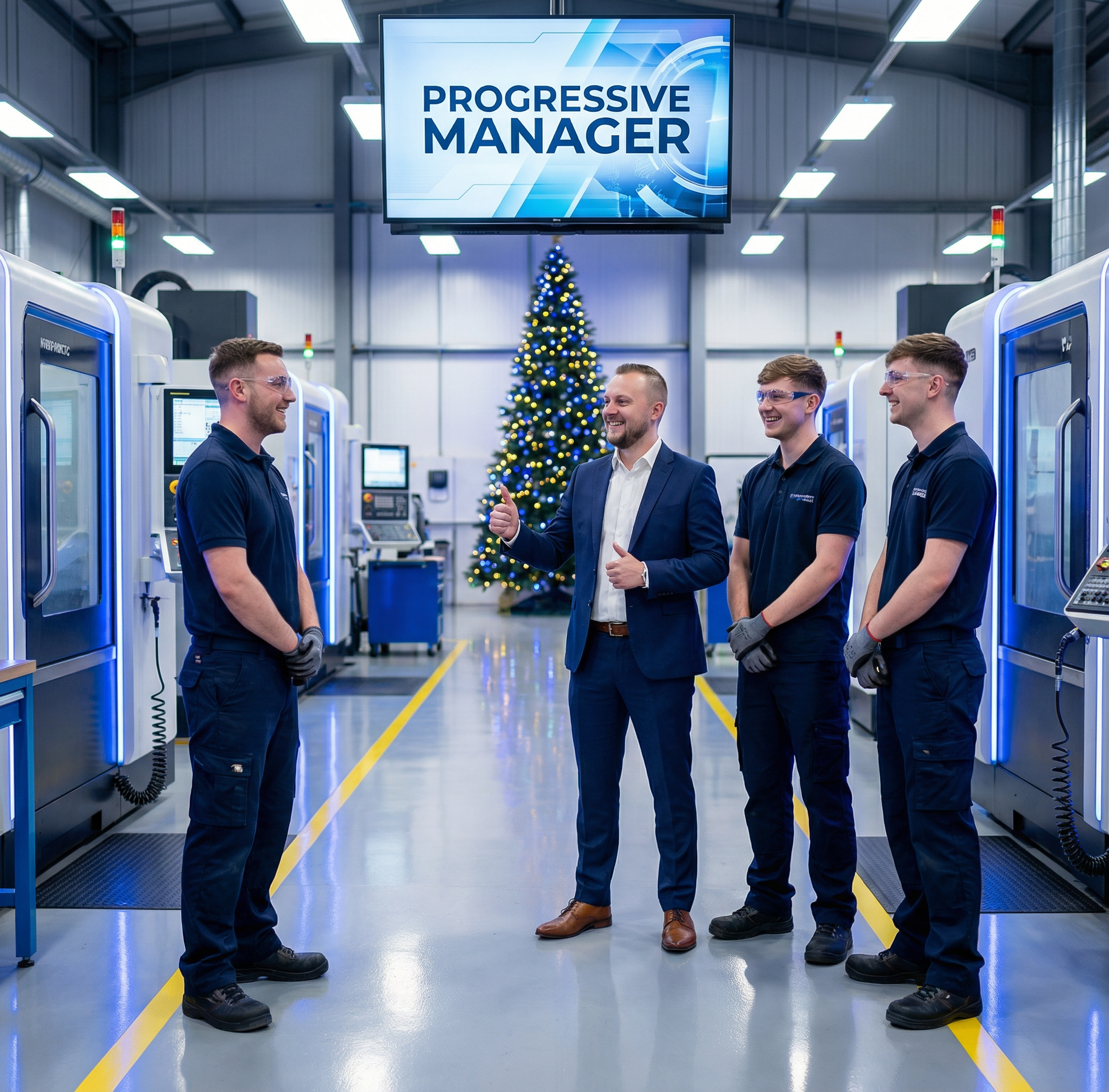
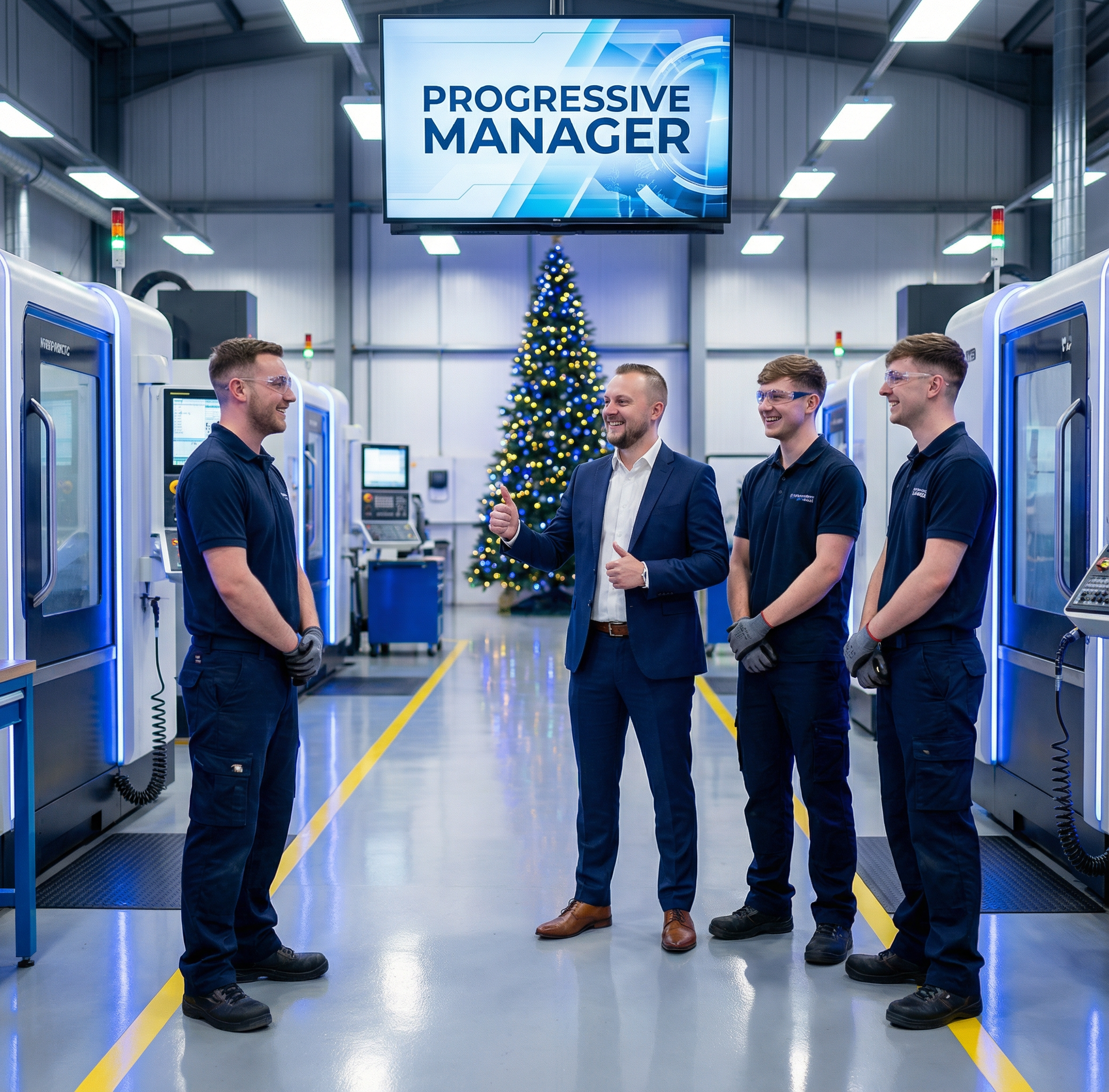
Having reflected on my thinking, my assumptions, and my approach to management, I would describe myself as a progressive management type of leader.
Progressive management is a forward‑thinking approach that focuses on employee growth, development, and empowerment. It moves beyond traditional, rigid structures to foster collaboration, coaching, and adaptive, human‑centred ways of working that value well‑being alongside performance and anticipate change.
Managers act as mentors, promote self‑direction, and build strong, trusting relationships where people develop their skills and gradually take on more responsibility (progressive elaboration), creating a positive, engaged, and high‑performing environment.
Key Principles of Progressive Management
Progressive management combines performance, adaptability, and well‑being. It treats people as the core value‑creating asset, not as a cost to be controlled.
- Employee‑centric development — managers work with employees to set goals and define clear development paths, with a focus on nurturing individual strengths.
- Coaching and mentorship — leaders guide and support rather than simply command, fostering a culture of continuous learning.
- Trust and empowerment — autonomy and freedom are granted, balanced with clear accountability and supportive oversight (“trust but verify”) to prevent failure.
- Human‑centred systems — investment in people through fair pay, good working conditions, and opportunities for meaningful work, creating genuinely “good jobs”.
- Adaptability and future focus — anticipating change and steering organisations towards new opportunities, in line with broader goals of sustainability and social well‑being.
- Progressive elaboration — continuously refining plans as more information emerges, making projects more accurate and detailed over time.
What It Looks Like in Practice
Progressive management is visible not only in values, but in daily routines and decisions.
- Performance — individual performance reviews focus on growth, not only on past mistakes, and feedback is ongoing rather than limited to annual appraisals.
- Responsibility — roles evolve over time: team members take on more complex duties, become primary points of contact, or train others (progressive responsibility).
- Culture — a supportive environment where open communication and psychological safety are prioritised, similar to organisations that aim for socio‑ecological well‑being, not only financial metrics.
In short: progressive management is less about controlling tasks and more about building people who can own, shape, and improve the work.
🔥 My Management Style: Progressive / Adaptive Human‑Centric Leader
My own style is a blend of Agile thinking, human‑oriented leadership, coaching, and innovation management. I would describe myself as a progressive, adaptive, human‑centred leader.
🎯 My Profile
1. I am human‑centric
- I trust my team.
- I prefer dialogue, involvement, and explaining the “why”.
- I do not micromanage or apply hard pressure.
- I believe that mistakes are part of growth.
- I actively strengthen psychological safety – a huge advantage in modern management.
2. I am adaptive and flexible (Agile mindset)
- I operate comfortably in constant change rather than resisting it.
- I am at ease managing experiments.
- I make decisions iteratively, not “once and for all”.
- I dislike unnecessary bureaucracy.
This is progressive management in its purest form: respond to reality, learn quickly, and adjust without losing sight of people.
3. I am oriented towards growth and initiative (progressive culture)
My focus is on:
- dynamism,
- innovation,
- moving forward,
- freedom of action.
I am not a fan of stagnation, dull processes, or the phrase “we’ve always done it this way”.
4. I build a “living” rather than a rigid structure
- I have no inclination towards a strict top‑down hierarchy.
- I am the kind of manager who builds strong teams, not an army‑style command structure.
⭐ In Summary
I am a progressive leader who develops people, introduces innovation, and adapts processes so that the team grows together with the challenges it takes on.
📈 My Strengths
- I create an atmosphere of trust.
- I motivate through meaning and support.
- I see people’s potential.
- I can adapt quickly.
- I do not get stuck in outdated approaches.
- I manage through responsibility rather than control.
- I inspire and engage.
- I am a strong fit for innovative, flexible teams.
I am committed to helping each of my direct reports become a thriving professional – fully developed and capable of creating “diamonds” not only with their hands, but also with their thinking.
👉 What kind of management style do you use in practice?
And what do you do for your team to help them become better?