Many organisations fall into the same trap: nominal pay rises, no real indexation, and a constant increase in the cost of living. Workers end up surviving rather than living. Motivation collapses, quality drops, and the entire production system becomes fragile.
🌟 How to Break Out of a Labour Crisis and Build a Culture of Quality & Wellbeing
Based on practical experience and a people-centred philosophy, I believe the way out requires a holistic, human-focused strategy — one that connects fair pay, real development, and daily respect into a single system.
1️⃣ Real Indexation, Not Illusions
Wages must reflect real life: inflation, housing costs, utilities, transport, food prices, and basic living expenses.
Anything less breaks trust and pushes people into survival mode — where:
- shortcuts appear,
- quality becomes secondary,
- safety and wellbeing are silently sacrificed.
2️⃣ Understanding Individual Realities
Every employee carries a different burden:
- high rental payments,
- poor living conditions they cannot afford to change,
- financial pressure from large families,
- rising transport or vehicle costs.
Respect begins with awareness. When leaders understand these realities, conversations about performance, expectations, and growth become honest rather than abstract.
3️⃣ Investing in Skills and Growth
Ambitious employees are a company’s most valuable asset.
Training programmes, funded qualifications, and continuous upskilling are not expenses — they are strategic investments that:
- create loyalty and reduce turnover,
- generate innovation on the shop floor,
- stabilise quality and process reliability.
4️⃣ Personal Development Plans with Clear Direction
Everyone needs a roadmap.
When skills, responsibilities, time, and goals are aligned in a clear development plan:
- people understand what is expected,
- they see where their effort leads,
- motivation becomes intrinsic rather than forced through pressure or fear.
5️⃣ Human Conversations in Human Spaces
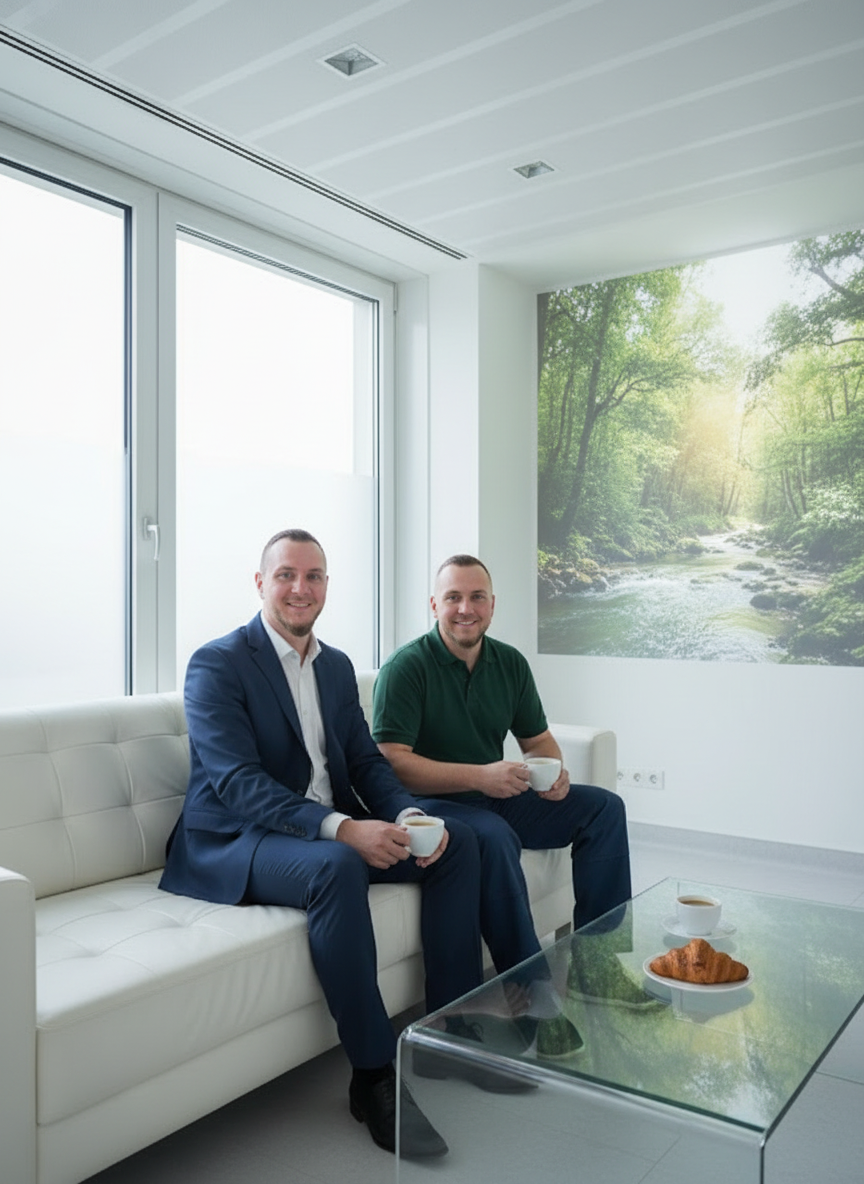
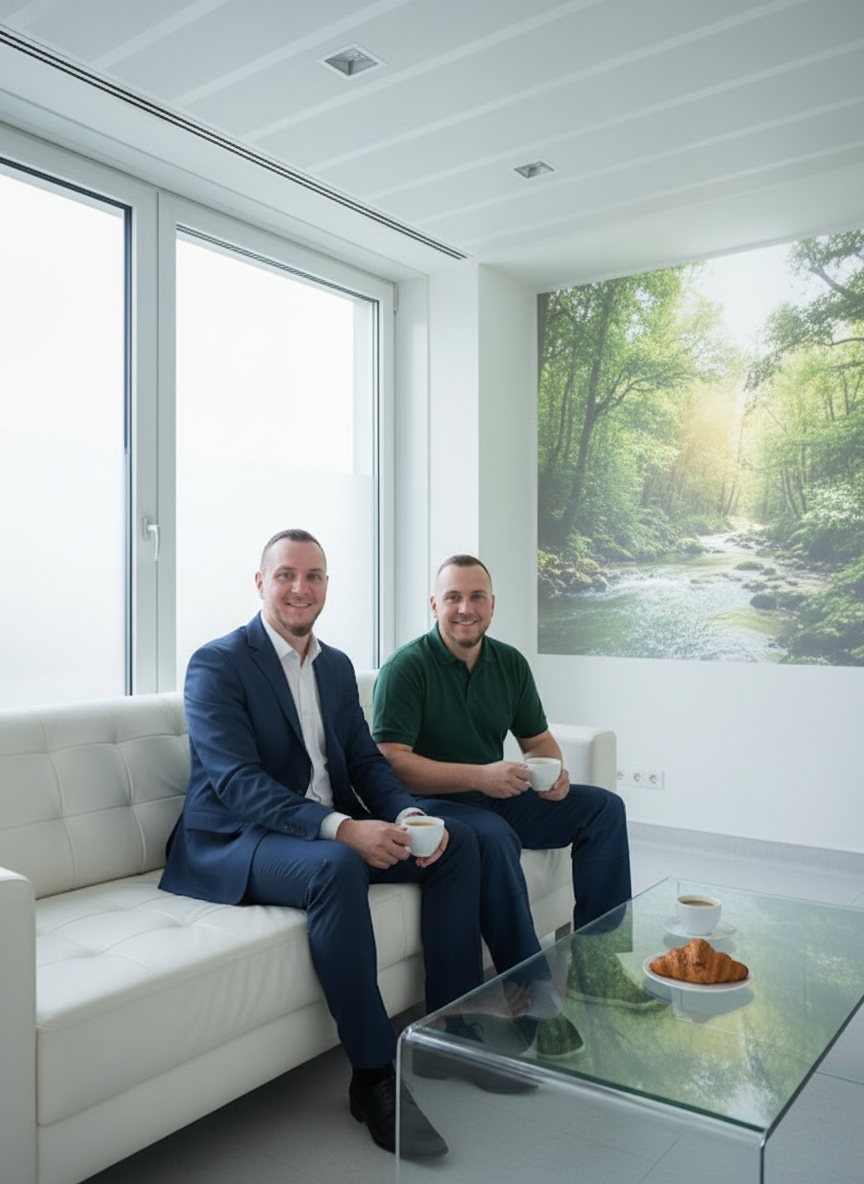
Regular one-to-one discussions in a relaxed environment — a break room, a lounge, a coffee corner — build trust and unity.
People who feel heard naturally strive for excellence.
🌱 The Outcome:
A motivated workforce creating high-quality products with intention, pride,
and genuine dedication — and a company that becomes a benchmark of wellbeing
rather than a monument to burnout.
When the Crisis Is Systemic
But what about countries facing a deeper systemic crisis — restricted labour mobility, limited opportunities, and a generation that no longer sees a future?
The answer scales with the challenge:
- restore trust between people, employers, and institutions,
- support workers and reward responsible employers,
- invest in education and real professional pathways,
- build a culture where quality and dignity truly matter.
Because quality begins with people — and people thrive when they are valued.
👉 Question for reflection:
Is your organisation building a culture of survival — or a culture of
quality and wellbeing?