In many CNC machine shops, the daily soundtrack is not only the whir of spindles and the hiss of coolant, but also a subtle contest for supremacy — whether measured in throughput figures, floor-space allocation, or the intangible currency of whose voice carries the most weight at the morning stand-up.
The temptation to dominate, to stake a claim as the “indispensable operator,” can be powerful — especially when hourly output or scrap rates are brandished like trophies. Yet this relentless pursuit of personal clout often obscures the true north of our craft: the disciplined quest for repeatable excellence.
⚙️ The Quiet Battles Inside CNC Machine Shops
🧭 Where My Compass Points
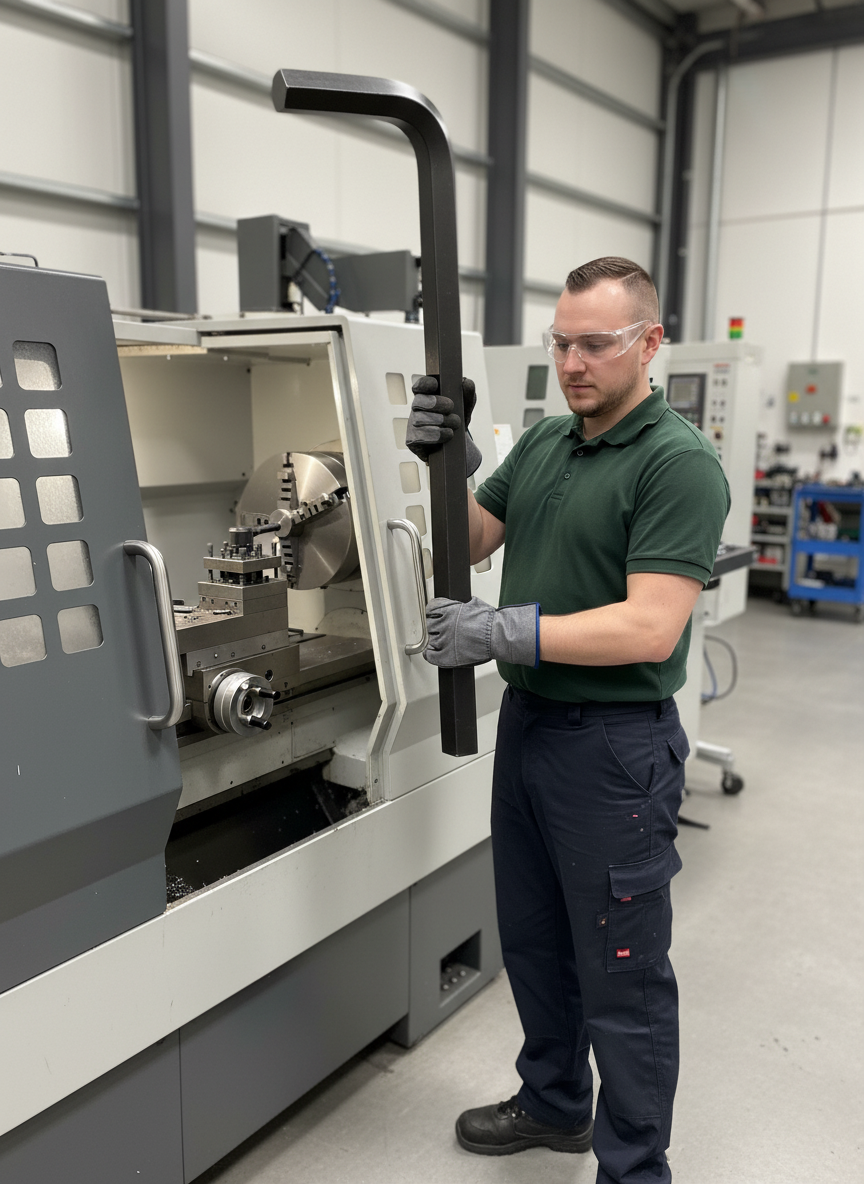
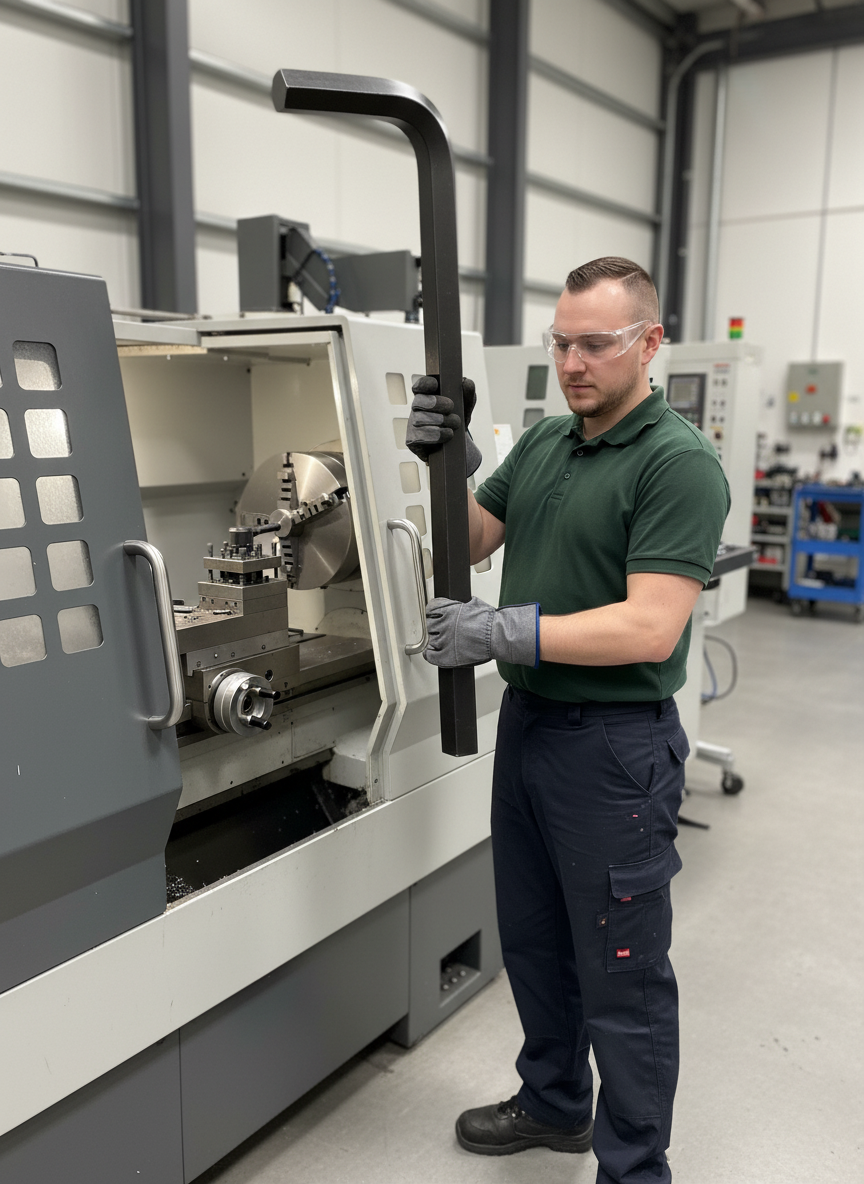
My own compass points elsewhere. Before the first G-code line is parsed, I insist on a workspace where safety is non-negotiable — because a fractured end mill can be re-ground, whereas a fractured hand (or trust) cannot be so easily repaired.
I champion quality and micron-level precision, not as marketing slogans, but as the quiet proof of respect — for the customer, for the craft, and for the machinist who follows me on the next shift.
My real battle is against inefficiency — shaving minutes from CNC lathe setups through rigorously documented offsets, modular fixturing, and standardised setup sheets. Each improvement, however small, brings us closer to stability, predictability, and confidence.
But beyond all technical mastery lies what I value most — mutual respect. I strive to create a shop culture where colleagues are collaborators, not pawns in a zero-sum hierarchy. Because a team bound by respect and shared purpose will always outperform one shackled by fear or ego.
Quiet truth: performance metrics matter — but without safety, respect, and shared purpose, they become weapons, not tools for growth.
💬 A Question to Reflect On
Do you observe these dynamics of dominance in your own machine shop — subtle or overt — and if so, to what end are they deployed?
Are such power plays genuinely serving collective mastery, or do they merely inflate individual egos at the expense of safety, quality, and shared growth?
I am genuinely curious how others in the manufacturing world balance performance metrics with the human dimension — the trust, empathy, and humility that determine whether a shop merely survives… or truly thrives.