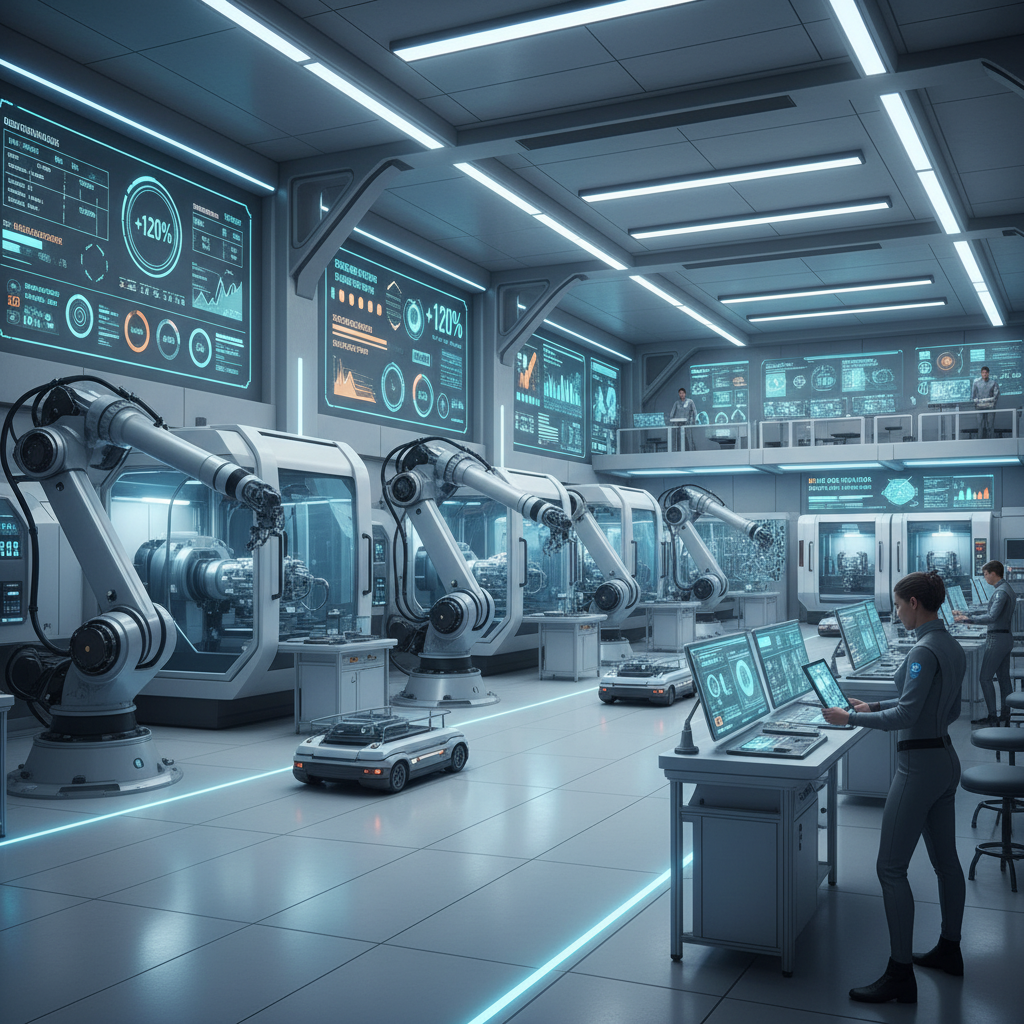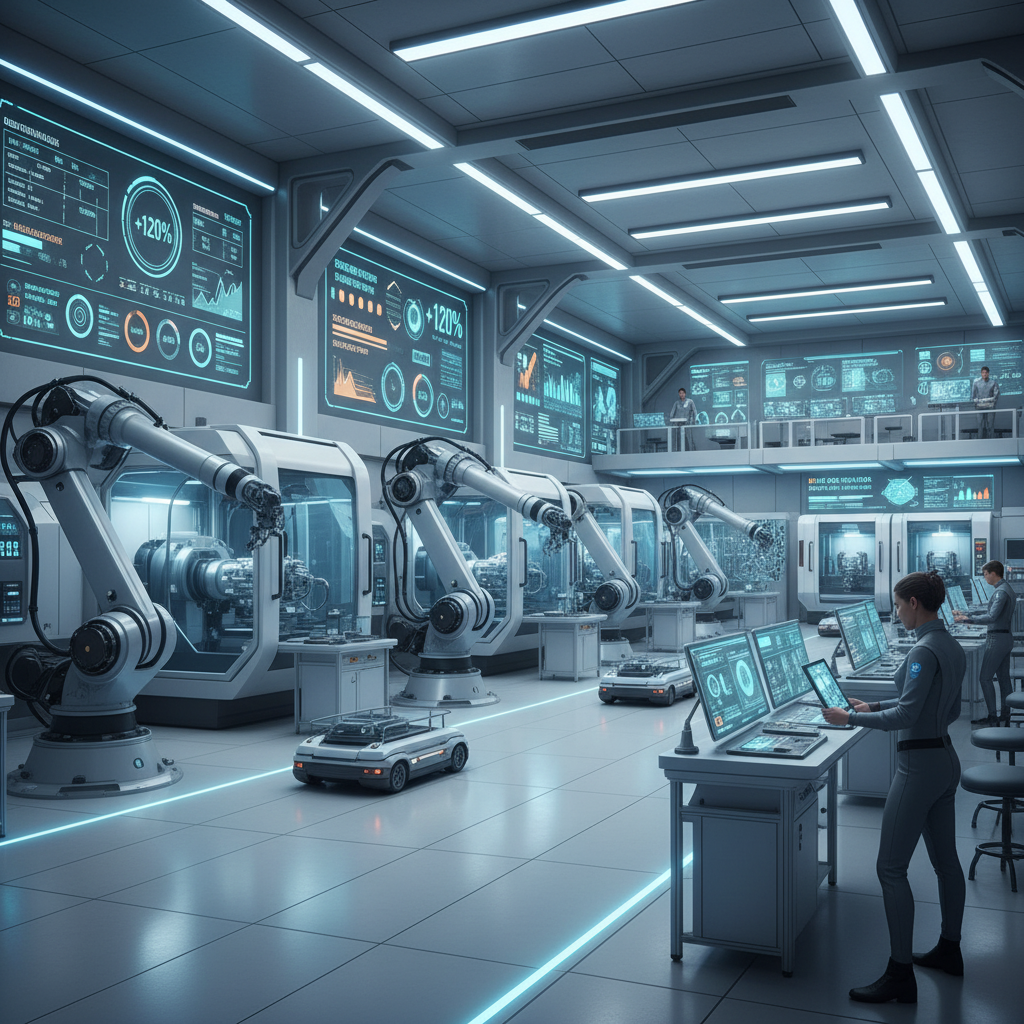
In today’s manufacturing world, success in a CNC machine shop no longer depends only on precision and skill — it depends on how effectively technology connects people, machines, and data.
A truly efficient workshop operates as a living system: every operator, spindle, and line of code contributes to a unified flow of information and productivity. In this three-part series, I share practical technological solutions and leadership practices that help turn a traditional shop floor into a smart, self-improving ecosystem.
⚙️ Technological Solutions for Managing a Modern CNC Machine Shop — Part 1
Let’s explore a few key technological solutions that transform traditional shop floors into smart, high-performance ecosystems.
🧭 1. MES and APS Integration — The Digital Backbone of Production
Manufacturing Execution Systems (MES) combined with Advanced Planning & Scheduling (APS) tools provide real-time visibility of machine load, work orders, and bottlenecks.
- For supervisors: a clear view of what each CNC is machining, its OEE, and the next planned job.
- For operators: clear job queues and priorities that reduce downtime and confusion.
- For management: accurate, timely data for decision-making and performance reviews.
Result: predictable workflows, less chaos, and clear communication across shifts.
🧩 2. Digital Tool Management and Lifecycle Tracking
Tool control is the heartbeat of a machine shop. By implementing digital catalogues and tool-life monitoring, every insert, holder, and cutter becomes traceable.
- RFID or barcode tagging for instant tool identification.
- Automated tool-life counters integrated into CAM or MES.
- Smart alerts for tool replacement before wear causes scrap.
Result: consistent part quality, reduced tool costs, and higher confidence in setups.
📊 3. Real-Time Data Analytics and IoT Dashboards
Connecting machines through IoT sensors gives supervisors live data on spindle utilisation, vibration, coolant flow, and temperature.
Dashboards visualise KPIs such as:
- OEE (Availability, Performance, Quality)
- Scrap ratio
- Energy consumption per part
This transparency helps identify hidden losses and predict problems before they become breakdowns.
Result: data-driven decisions replace assumptions — efficiency becomes measurable.
⚙️ Technological Solutions for Managing a Modern CNC Machine Shop — Part 2
In Part 1, I shared how tools like MES/APS, tool management, and real-time analytics form the digital backbone of a CNC shop. But the real strength of any system lies not in its machines — it lies in the people who bring technology to life.
Now let’s talk about the next layers of a modern manufacturing ecosystem — knowledge management and human-centred digital leadership.
🧠 4. Knowledge Management and Training Systems
Technology is not only about automation — it is about clarity and empowerment. Even the most advanced equipment loses efficiency if knowledge stays hidden in one person’s mind or in paper binders.
Smart shops build living digital knowledge bases where information flows freely between shifts and skill levels.
Practical implementations:
- QR codes at machines linking to setup sheets, offsets, and inspection criteria.
- Short video tutorials for tool calibration, probing, and fixture changes.
- Skill-matrix dashboards showing each operator’s competencies and growth path.
- Digital troubleshooting logs shared across shifts.
Result: faster onboarding, fewer errors, stronger ownership, and a culture of learning.
🤝 5. Human-Centred Digital Leadership
Even the best systems fail without trust and purpose. A good leader uses technology not to control — but to empower.
When operators understand why data is collected and how it helps them, attitude shifts from compliance to contribution. They take pride in precision, timing, and quality — knowing their work truly matters.
As a future supervisor, I see leadership as building confidence, meaning, and connection:
- Turning KPIs into shared goals, not pressure.
- Listening first — asking “What do you need to perform better?”
- Creating transparency between operators, engineers, and management.
- Celebrating every small win — every saved minute, every smarter setup, every act of teamwork.
Digital transformation, in its deepest sense, is not about sensors or dashboards — it is about clarity and trust. When people believe in the purpose behind change, innovation becomes effortless.
⚙️ Technological Solutions for Managing a Modern CNC Machine Shop — Part 3
From Data to Daily Action: Building a Self-Improving CNC Team
In the previous parts, I explored how digital tools, structured workflows, and human-centred leadership form the foundation of a modern CNC shop. Now comes the most critical step — turning data into meaningful daily action.
📊 6. From Metrics to Mindset: Making Data Visible and Useful
Dashboards and OEE charts mean little if operators cannot relate to them. The goal is not control — it is clarity. Visualising reality helps everyone understand what truly matters: throughput, quality, and flow.
Practical ways to make data actionable:
- Live performance boards at each cell showing OEE, WIP, and top three risks — updated every shift.
- Buffer health indicators (green/yellow/red) to control WIP without chaos.
- Scrap trend charts linked to specific tools or materials — revealing root causes in real time.
- Feedback loops where operators suggest improvements daily, not weeks later.
Result: everyone sees what is improving and where to focus next — without extra meetings or micromanagement.
🔁 7. The Daily Gemba Rhythm
A high-performing CNC shop runs on rhythm, not reaction. Each morning begins with a short Gemba walk — about 10 minutes per key area — asking:
- What went well yesterday?
- What problems appeared?
- What help is needed today?
This is where real leadership meets reality. Instead of analysing spreadsheets, a supervisor listens, observes, and removes obstacles — tools, programs, materials — before they slow production.
When people see that their issues are resolved quickly, trust grows. And when their ideas lead to visible results, motivation becomes self-sustaining.
🔧 8. Systematic Improvement as a Daily Habit
Continuous improvement is not a slogan — it is a routine. When each operator makes even one improvement a week, the compound effect transforms the shop.
Examples that build momentum:
- 5-minute SMED reflections after each setup — “What can we externalise next time?”
- Quick 5 Whys for every recurring issue, logged for everyone to learn from.
- “One idea a week” rule — small, realistic changes owned by the team itself.
Within months, this creates a culture of ownership and pride — improvement becomes second nature.
🌟 The Human Equation
No technology replaces meaning. A self-improving CNC team grows on trust, autonomy, and shared purpose. When people understand why we measure and how we improve, they turn work into craftsmanship.
A machine shop where data guides, not punishes — where every win is celebrated — becomes more than a production unit. It becomes a living system of intelligence, precision, and respect.
💬 My Questions to You:
What technological or digital tools do you use to manage your CNC machine shop and
support your team?
How do you turn daily data into real improvement on your shop floor and balance
automation with the human side of manufacturing?
I believe that the best innovation happens on the shop floor — where experience meets creativity, and people turn technology into excellence.