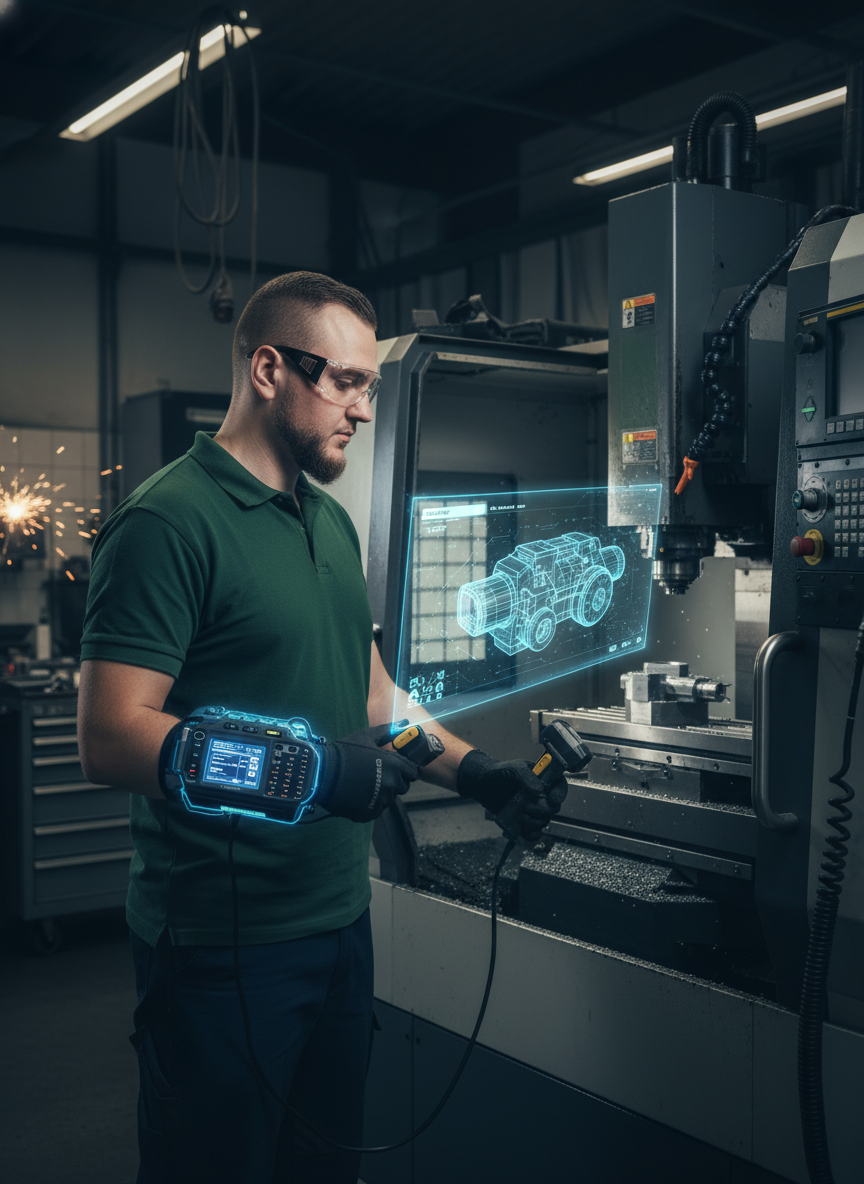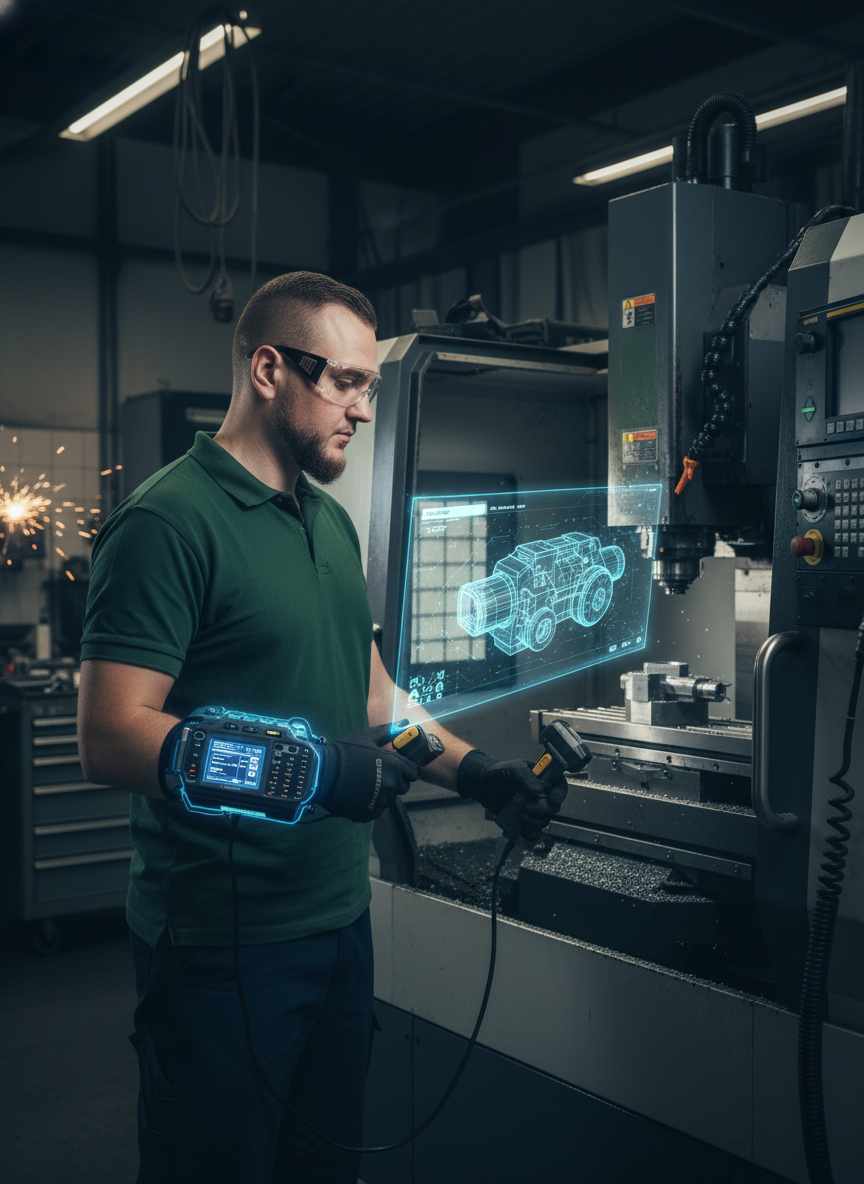
In every CNC workshop, the hum of spindles tells a story — not only of precision, but of potential. Behind every cycle start, there is a human being whose skill, curiosity, and determination shape the quality of what leaves the shop floor.
Yet too often, we underestimate how much untapped brilliance is waiting to be developed — not through pressure, but through purpose.
🚀 Empowering Machinists: The True Measure of Leadership
🧠 Step One: Understanding the Human Machinery
Before I look at machines, I look at people. If I were leading a CNC department, I would begin with a careful analysis of the team — not through performance charts alone, but through conversations, observation, and curiosity.
I would identify who is truly teachable — the machinists who absorb knowledge like coolant absorbs heat — and who struggles to adapt. But I would never use that insight to divide the team. Instead, it would guide my strategy: how to support, how to challenge, and how to inspire.
📊 Step Two: Listening Before Leading
I would run an anonymous survey — not to tick boxes, but to listen. I would want to know who wants to grow beyond their current skill set, who dreams of mastering 5-axis machines, programming, or metrology — and who prefers to stay in a comfort zone.
Leadership, to me, is about alignment: putting the right people in the right roles, then giving them the freedom and the framework to thrive.
⚙️ Step Three: The Machinist Development Marathon
Here is where the magic begins. I would launch what I call a Machinist Growth Marathon — an in-house training programme designed to elevate ambition and skill simultaneously.
Participants would:
- 🏁 Rotate between different CNC platforms — lathes, mills, and multi-axis centres.
- 📘 Attend micro-trainings on measurement, setup optimisation, and advanced tooling.
- 🧩 Work on real production challenges, mentored by senior machinists and engineers.
- 🏆 Compete in skill-based challenges that reward not only speed, but precision and consistency.
It is not just training — it is a journey of identity: turning good machinists into great engineers and future leaders.
💡 Step Four: The Reward of Trust
For those who demonstrate passion and reliability, I would open the door to greater responsibility — access to complex jobs, prototype work, and involvement in process improvement meetings. Because nothing motivates like trust.
When a machinist realises that management believes in them — not just as a worker, but as a contributor to innovation — something profound happens: ownership replaces compliance.
The real return on investment: not only higher efficiency or reduced scrap, but a culture where people grow, contribute ideas, and feel that their progress matters.
❤️ The Real ROI: Respect, Growth, Legacy
In the end, the return on this investment is a culture shift. A sense of belonging. A workshop that does not just produce parts — it produces people who care.
💬 So, let me ask you:
What are you doing to upgrade your machinists?
How do you help them grow from operators into problem-solvers, engineers, and leaders?